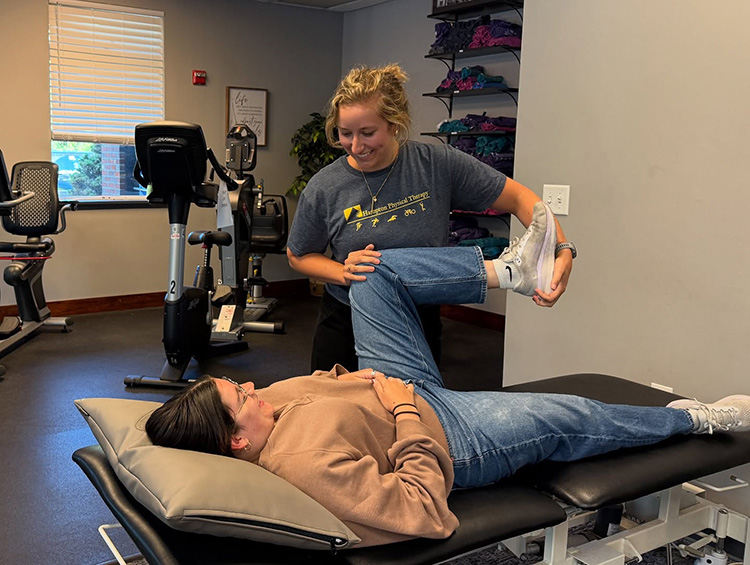
Jackie Zizza, PTA working with a patient at Hampton Physical Therapy
By JACKIE ZIZZA, PTA
What is a PTA?
Hampton Physical Therapy currently has two full-time Physical Therapist Assistants (PTAs) across its three clinics. Having PTAs on staff allows patients to begin treatment sooner. While a physical therapist’s schedule may be full, patients can still be seen by a PTA, receive high-quality care, and start their journey toward recovery without unnecessary delays.
A PTA, or a Physical Therapist Assistant, is a valuable member of the healthcare team and plays an important role in many settings where physical therapists work, including outpatient clinics, hospitals, skilled nursing facilities, and even home care. PTAs work under the supervision of a physical therapist and help carry out the plan of care designed by the physical therapist to support patients in reaching their health and functional goals. In an outpatient setting such as Hampton Physical Therapy, PTAs work one-on-one with patients during their follow up visits after the initial evaluation has been completed by the Physical Therapist. This collaborative approach ensures continuity of care while allowing patients to receive consistent, hands-on treatment.
What is the difference between a PTA and a PT?
The main difference between a Physical Therapist and a Physical Therapist Assistant is that PTAs do not conduct evaluations, write progress notes, or discharge patients. Instead, PTAs implement the established plan of care and progress patients as indicated during follow up treatment sessions, using the clinical guidelines set by the physical therapist to lead their treatment sessions. Physical therapy is a team approach in which the physical therapist and physical therapist assistant work closely together to ensure patients are progressing safely and effectively to meet their goals.
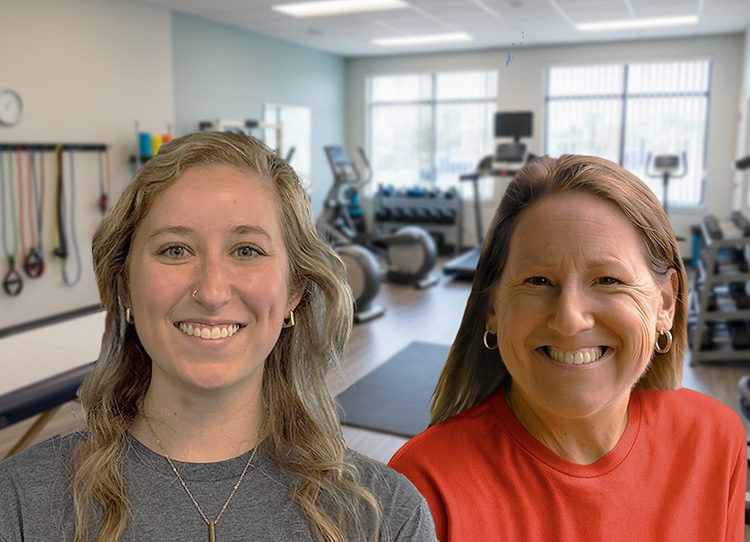
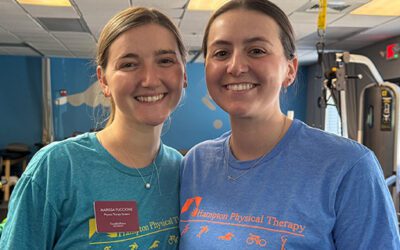
Jackie Zizza and Michelle Cook, Hampton PT’s Physical Therapy Assistants (PTA’s)
PTAs are trained in the implementation of therapeutic exercise, joint mobilizations, the use of modalities such as electrical stimulation, ultrasound, and thermal agents. They also have a strong foundation in anatomy, movement science, and manual therapy, allowing them to provide safe, effective, and individualized care for every patient. In addition, PTAs receive extensive training in patient safety and clinical observation. They are skilled in recognizing red flags such as signs of blood clots, adverse responses to treatment, or contraindications to exercise. These concerns are then communicated promptly to the supervising physical therapist to ensure the highest standard of care.
★★★★★ “I had been in severe pain from a torn MCL. I had suffered for for Months. I was recommended to go for PT. I wasn’t sure if anything would help. Jackie Zizza had me well on My way to being healed after three weeks. I’m amazed that My knee is healed. If you can ask for Her, You will be very glad you did. She is amazing!”
★★★★★ “Michelle Cook was great throughout. Patient, thorough, compassionate, and such good sense of humor.
She is a keeper. ❤️”
There are certain treatments that PTAs are not permitted to perform. For example, PTAs cannot perform grade V-joint mobilizations, which are high velocity manipulations often associated with a “cracking” sensation and are performed at a joint’s end range of motion to break up adhesions and improve pain and range of motion. Additionally, in the states of Massachusetts and New Hampshire, PTAs are not allowed to perform dry needling or spinal manipulations.
Schooling and credentials
To become a PTA, an individual must graduate from an accredited Physical Therapist Assistant program and pass the National Physical Therapy Examination (NPTE) to get licensed. These programs are typically two years long when completed full time, though there are part-time options available. Additionally, a bachelor’s degree is not required prior to entering a PTA program. However, many PTAs hold degrees in kinesiology, exercise science, or related fields before pursuing a PTA education. Throughout PTA school, it is required that students complete clinical rotations in both inpatient and outpatient settings. These clinical rotations help prepare students for managing their own caseload upon graduation as well as getting exposure to a variety of real-world scenarios. Overall, becoming a PTA is a great affordable and rewarding way to enter the field of physical therapy and make a meaningful difference in patients’ lives.
Be sure to give Jackie and Michelle a warm hello if you’re lucky enough to have them assist you in your treatment!
Head to our Contact Us section for any questions or comments about your treatment.